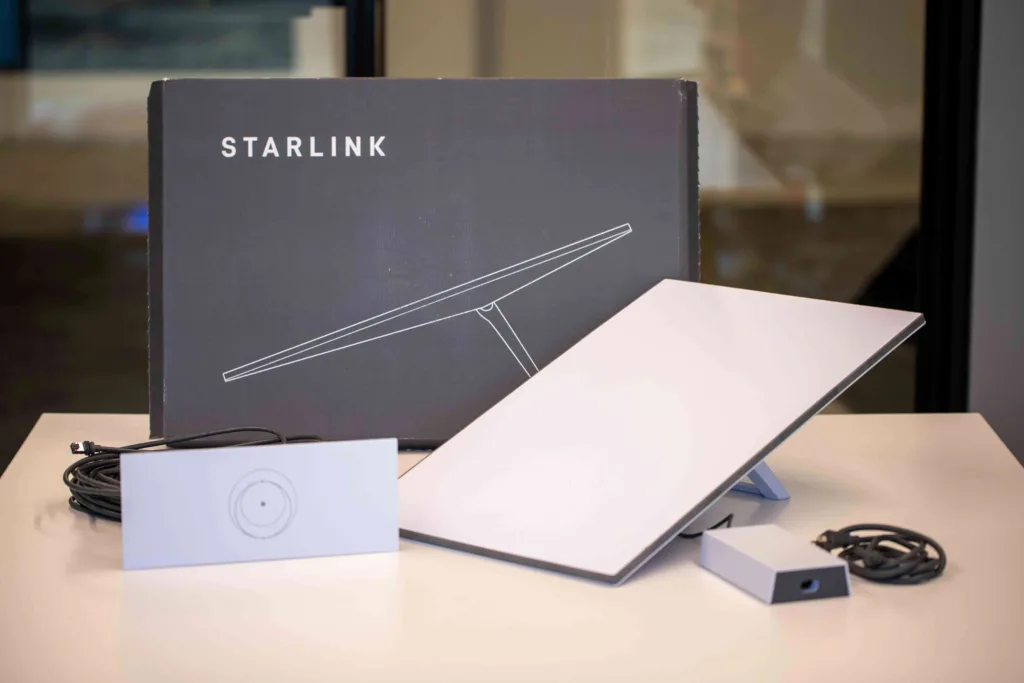
Looking for the best Starlink alternatives to Starlink? Discover the best Starlink competitors in 2026 with speed, pricing, and performance comparison.
Introduction
While Starlink has become one of the most popular satellite internet services, it is not the only option available in 2026. Many users look for alternatives due to pricing, availability, or performance needs. Best Starlink Alternatives in 2026
Developed by SpaceX, Starlink offers global coverage, but other internet providers also offer strong competition.
In this guide, we will explore the best Starlink alternatives and compare their features to help you choose the right option.
Why Look for Starlink Alternatives?
Some users consider alternatives due to: Best Starlink Alternatives in 2026
- High upfront cost
- Limited availability in some regions
- Need for lower latency
- Better pricing options
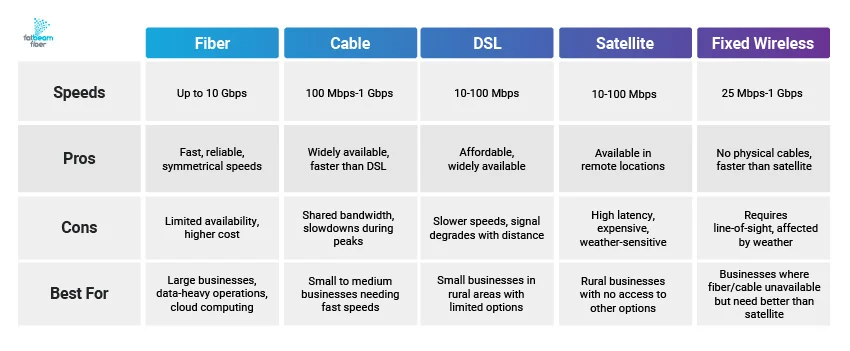
Top Starlink Alternatives in 2026
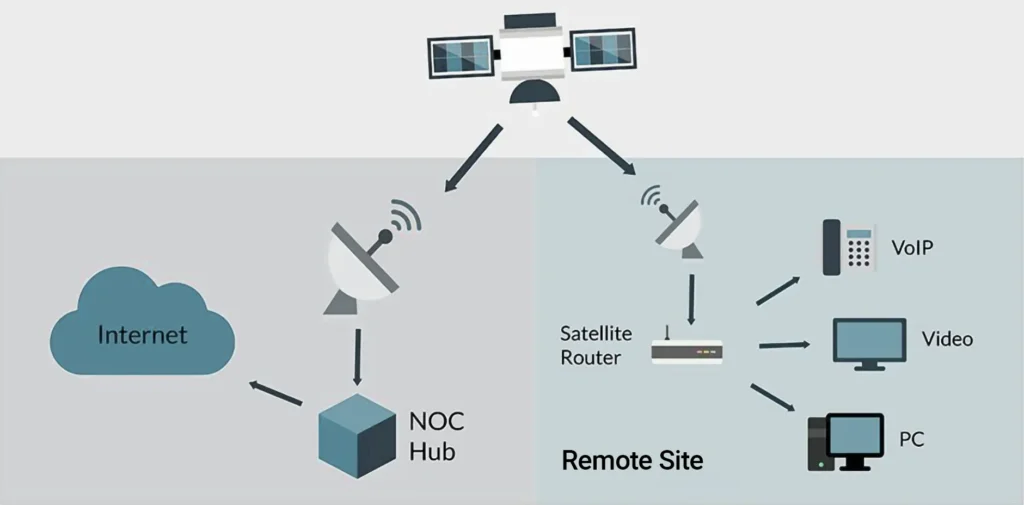
1. Viasat
Viasat is one of the biggest competitors to Starlink.
Key Features:
- Wide coverage
- Reliable satellite service
- مختلف pricing plans
Downside:
Higher latency compared to Starlink.
2. HughesNet
HughesNet is a well-known satellite internet provider.
Key Features:
- Available in many regions. Best Starlink Alternatives in 2026
- Affordable plans
- Stable connection
Downside:
Slower speeds and high latency.
3. Fiber Internet Providers
Fiber internet is one of the best alternatives if available in your area.
Popular providers include:
- AT&T Fiber
- Verizon Fios
Key Features:
- Ultra-fast speeds (up to 10 Gbps)
- Very low latency
- Reliable performance
Downside:
Limited availability.
5G Internet Providers. Best Starlink Alternatives in 2026
5G is becoming a strong competitor to Starlink.
Popular providers:
- T-Mobile 5G Home Internet
- Verizon 5G
Key Features:
- Fast speeds
- Low latency
- Easy setup
Downside:
Limited to urban areas.
| Provider | Speed | Latency | Coverage | Best For |
|---|---|---|---|---|
| Starlink | 100–250 Mbps | 20–40 ms | Global | Rural users |
| Viasat | 25–100 Mbps | High | Wide | Basic usage |
| HughesNet | 25 Mbps | Very High | Wide | Light users |
| Fiber | Up to 10 Gbps | Very Low | Limited | Heavy users |
| 5G | Up to 1 Gbps | Low | Urban | Mobile users |
Which Alternative Should You Choose?
Choose Viasat or HughesNet if:
- Starlink is unavailable
- You need basic internet
Choose Fiber if:
- You want the fastest speeds
- You live in a city
Choose 5G if:
- You want wireless internet
- You have strong signal coverage
FAQ Section
What is the best alternative to Starlink?
Fiber internet is the best alternative if available, followed by 5G internet.
Is Viasat better than Starlink?
No, Starlink generally offers faster speeds and lower latency.
Can 5G replace Starlink?
Yes, in urban areas with strong coverage, 5G can be a better option.
Is satellite internet still useful?
Yes, especially in remote areas where other options are unavailable.
Conclusion
Starlink is a powerful internet solution, but it is not the only option in 2026. Depending on your location and needs, alternatives like fiber, 5G, Viasat, and HughesNet may be better choices.
Always compare speed, cost, and availability before making a decision.
Cons of Starlink
1. High Upfront Cost
The hardware cost can be expensive for some users.
2. Weather Sensitivity
Heavy rain or storms may affect performance.
3. Not the Fastest Option
Fiber internet is still faster and more stable.
Cost Breakdown:
- Hardware: $500 – $600 (one-time)
- Monthly Plan: $90 – $120
Additional costs may include:
- Shipping
- Taxes
- Mounting accessories
Developed by SpaceX, Starlink has changed how people access the internet, especially in rural and remote areas.
In this review, we will break down Starlink’s performance, cost, advantages, and disadvantages to help you decide whether it is the right choice for you.
Related Articles
- Starlink vs Viasat – Which Satellite Internet Is Faster
- Starlink vs Fiber vs 5G – Ultimate Comparison
- Is Starlink Worth It in 2026? Full Review
- Starlink vs DSL Internet – Which One Is Better in 2026?
- Starlink vs 5G Internet – Which Is Better in 2026?