Compare Starlink vs fiber vs 5G internet in 2026. Discover speed, latency, coverage, and which internet type is best for you.
Introduction
In 2026, internet users have more choices than ever before. The three most powerful technologies are satellite internet, fiber broadband, and 5G wireless networks.
- Starlink (satellite internet)
- Fiber Internet (wired high-speed broadband)
- 5G Internet (wireless mobile network)
Each technology has its own strengths and limitations. In this guide, we will compare Starlink vs Fiber vs 5G to help you choose the best option for your needs.
Quick Comparison Table
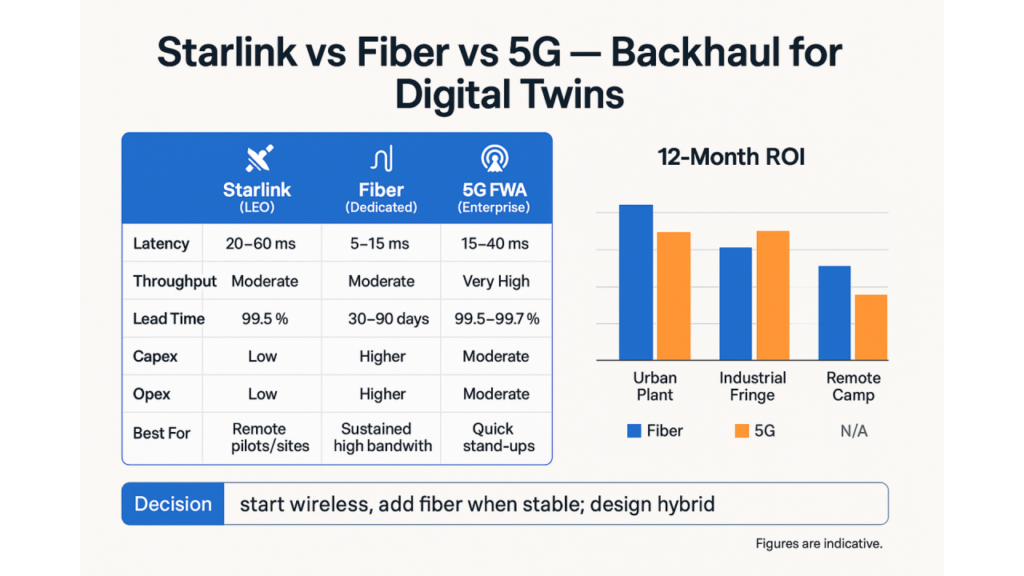
| Feature | Starlink | Fiber Internet | 5G Internet |
|---|
| Technology | Satellite (LEO) | Fiber Optic Cable | Cellular Network |
| Speed | 100–250 Mbps | 1–10 Gbps | 100 Mbps – 1 Gbps |
| Latency | 20–40 ms | 5–10 ms | 10–30 ms |
| Coverage | Global | Limited | Urban |
| Reliability | High | Very High | Medium |
Speed Comparison
When comparing speeds: Starlink vs Fiber vs 5G
- Fiber Internet: 1–10 Gbps (fastest)
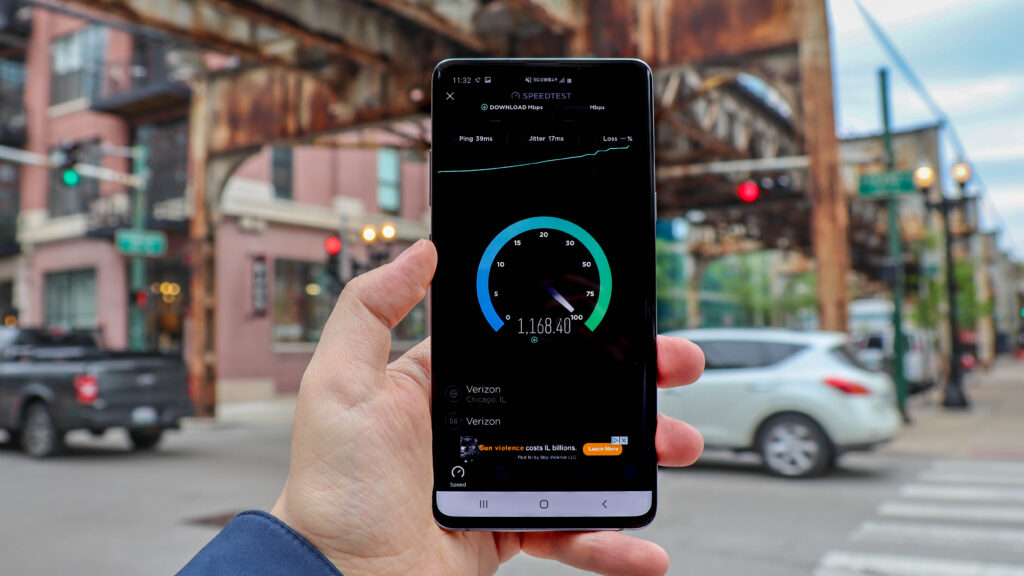
- 5G Internet: Up to 1 Gbps
- Starlink: 100–250 Mbps
Fiber clearly leads in speed, making it the best choice for heavy users.
Latency Comparison
Latency affects gaming, video calls, and real-time tasks.
- Fiber: 5–10 ms (best)
- 5G: 10–30 ms
- Starlink: 20–40 ms
Fiber provides the lowest latency, while Starlink performs better than traditional satellite internet.
Starlink
- Works globally. Starlink vs Fiber vs 5G
- Best for rural areas
- No infrastructure required
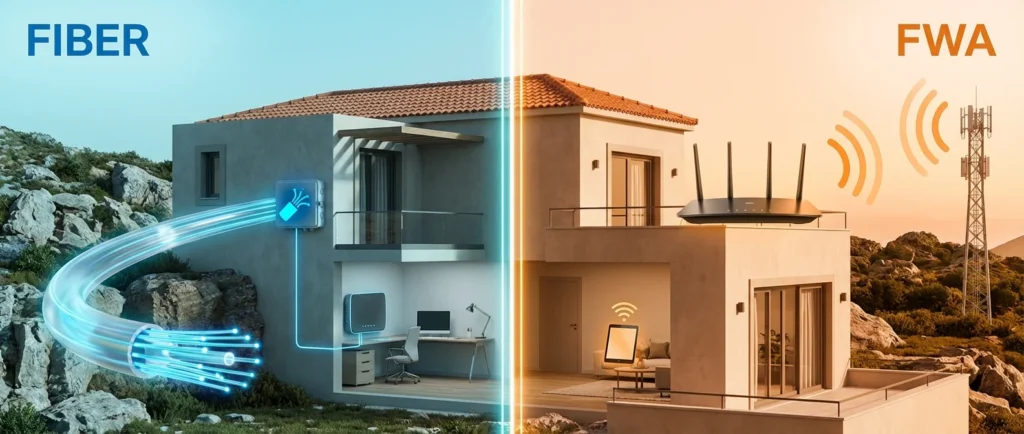
Fiber Internet
- Limited to cities and developed areas
- Requires underground cables
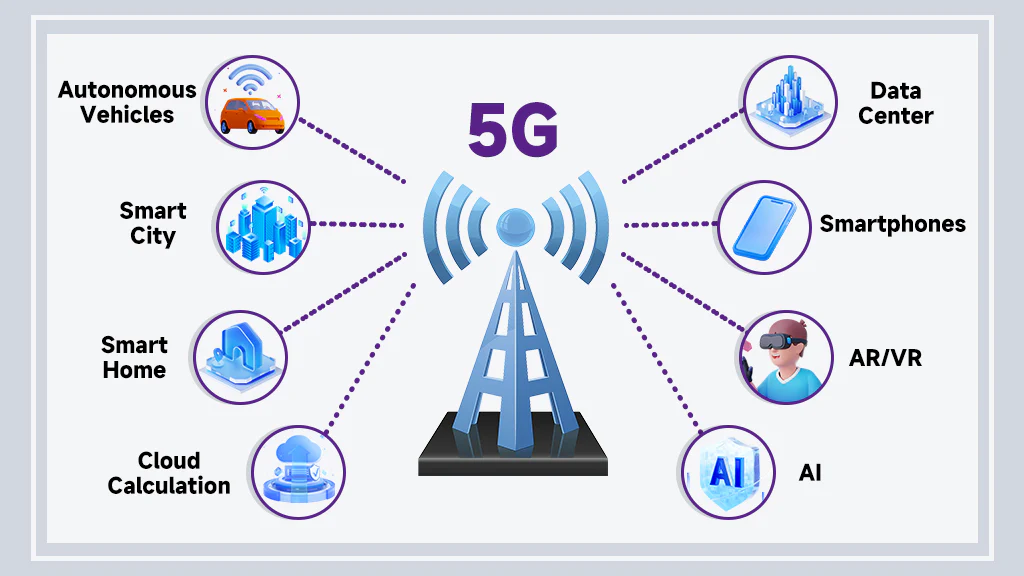
5G Internet
- Available in urban areas
- Expanding gradually
- Best Option for Different Users
- Different users have different needs. Starlink is best for rural users who lack access to wired internet. Fiber is ideal for businesses and heavy users who need ultra-fast speeds and low latency. 5G is perfect for mobile users who want flexibility and fast wireless connectivity. Choosing the right option depends on your location, budget, and usage requirements.
Installation and Setup Starlink vs Fiber vs 5G
Starlink
- Self-installation
- Requires satellite dish
- Needs clear sky
Fiber
- Professional installation
- Requires cable infrastructure
5G
- Plug-and-play setup
- Requires strong signal
Cost Comparison
Starlink
- Hardware: $500 – $600
- Monthly: $90 – $120
Fiber Internet
- Setup: $100 – $200
- Monthly: $60 – $120
5G Internet
- Setup: Low
- Monthly: $50 – $100
Fiber and 5G are generally more affordable than Starlink. Starlink vs Fiber vs 5G
Scalability and Future Growth
All three technologies are evolving rapidly. SpaceX continues to expand Starlink by launching more satellites, improving speed and coverage. Fiber networks are also growing, but expansion is slower due to infrastructure costs. Meanwhile, 5G is being rolled out globally and is expected to cover more regions in the coming years, making it a strong competitor.
Which Internet Is Best for You?
Choose Starlink if:
- You live in a rural area
- No fiber or cable available
- You need reliable global internet
Choose Fiber if:
- You want the fastest speeds
- You live in a city
- You need low latency
Choose 5G if:
- You want mobility
- You live in a well-covered urban area
- You need fast wireless internet
FAQ Section
Which is the fastest internet in 2026?
Fiber internet is the fastest, offering speeds up to 10 Gbps.
Is Starlink better than fiber?
No, fiber is faster and more stable, but Starlink is better for remote areas.
Is 5G better than Starlink?
5G can be faster in cities, but Starlink works in more locations. Starlink vs Fiber vs 5G
Which internet is best for gaming?
Fiber is best due to the lowest latency, followed by 5G and then Starlink.
Conclusion
In 2026, all three technologies—Starlink, fiber, and 5G—offer strong performance. Fiber is the best for speed and reliability, 5G is ideal for mobility, and Starlink is perfect for rural and remote areas.
Your choice should depend on your location and internet needs.
Performance in Different Weather Conditions
The performance of Starlink, fiber, and 5G can vary depending on weather conditions. Starlink may experience slight interruptions during heavy rain or storms, although it usually recovers quickly. Fiber internet is the most stable because it uses underground cables and is not affected by weather. 5G performance can also drop due to obstacles like buildings or bad weather, especially in dense urban areas. Starlink vs Fiber vs 5G
Related Articles
- Starlink vs 5G Internet – Which Is Better
- Starlink vs Fiber Internet – Which Internet Is Better
- Starlink Internet Price 2026 – Full Cost & Review
- Starlink vs Cable Internet – Which One Is Best in 2026?