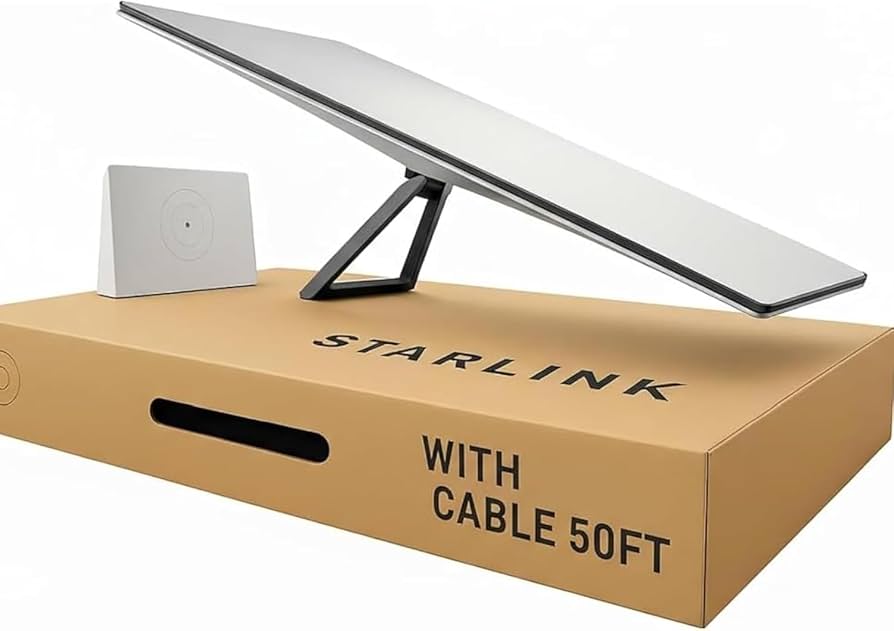
Satellite internet has become an important solution for people living in rural and remote areas where fiber or cable internet is not available. Two of the most popular satellite internet providers are Starlink and Viasat. Both services promise high-speed internet, but they use different technologies and offer different performance levels.
In this article, we will compare Starlink vs Viasat in 2026, including speed, pricing, performance, and reliability, to help you decide which satellite internet service is better for your home or business.
What Is Starlink?
Starlink is a satellite internet service developed by SpaceX. It uses a large network of low-Earth orbit (LEO) satellites that orbit much closer to Earth compared to traditional satellites. Because of this shorter distance, Starlink can deliver faster speeds and lower latency. Starlink vs Viasat
Starlink is designed for people who live in areas where traditional broadband options like fiber or cable internet are not available. It has quickly become one of the fastest growing internet services in the world.
Key Features of Starlink
- Download speeds between 50 Mbps and 250 Mbps
- Latency around 20–40 ms
- Unlimited data on most plans
- Easy self-installation
- Works well in rural areas
These features make Starlink a strong option for streaming, gaming, remote work, and online learning.

What Is Viasat?
Viasat is one of the older satellite internet providers in the United States. It uses geostationary satellites, which orbit much farther from Earth compared to Starlink satellites. Because of this long distance, internet signals take more time to travel between the satellite and the user.
While Viasat provides internet coverage in many rural areas, its technology is older and generally slower than Starlink. Starlink vs Viasat
Key Features of Viasat
- Download speeds up to 100 Mbps
- Higher latency (around 600 ms)
- Data limits on most plans
- Nationwide coverage
- Professional installation required
Viasat is still widely used in remote areas, but its performance may not match newer satellite technologies.
Starlink vs Viasat Speed Comparison
Internet speed is one of the most important factors when choosing a provider.
Starlink Speed
Starlink currently offers average speeds of:
- 50–250 Mbps download
- 10–20 Mbps upload
These speeds are suitable for multiple users in a household and can easily support streaming, gaming, and video calls. Starlink vs Viasat
Viasat Speed
Viasat plans typically offer:
- 25–100 Mbps download
- 3–10 Mbps upload
However, many Viasat plans also have data limits, and speeds may slow down once the limit is reached.
Winner: Starlink
When it comes to raw speed and modern technology, Starlink is clearly faster than Viasat in 2026.
Latency Comparison
Latency refers to the delay between sending and receiving data. Lower latency is important for activities like gaming and video conferencing.
- Starlink latency: 20–40 ms
- Viasat latency: 600 ms or more
Because Starlink satellites orbit closer to Earth, the signal travel time is much shorter. This makes Starlink much better for real-time applications like online gaming or Zoom meetings.
Price Comparison
Pricing is another important factor for many users.
Starlink Pricing
- Equipment cost: around $599
- Monthly plan: about $120 per month
- Unlimited data available
Viasat Pricing
- Installation fee may apply
- Monthly plans range from $70 to $150
- Most plans include data caps
Although Viasat may appear slightly cheaper at first, the data limitations and slower speeds make Starlink a better value for many users.
Installation and Setup
Starlink Installation
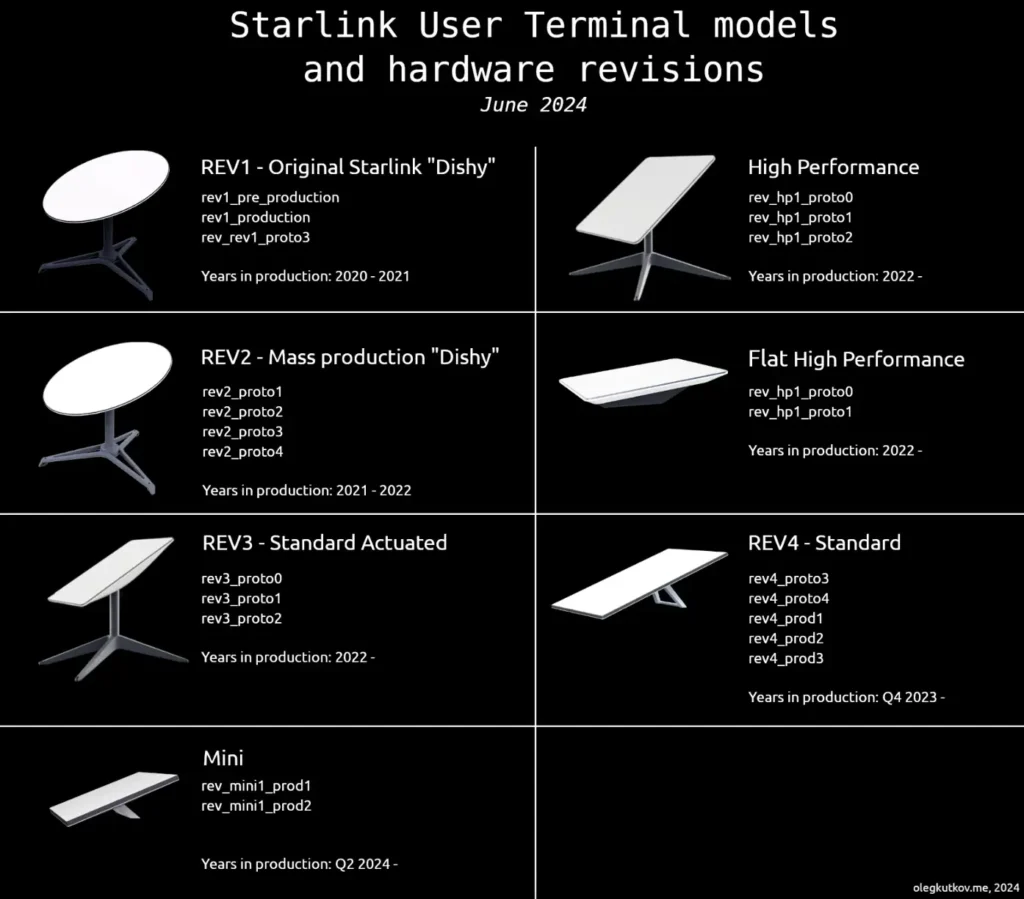
Starlink offers a self-installation kit that includes: Starlink vs Viasat
- Satellite dish
- WiFi router
- Mounting equipment
- Cables
Most users can install Starlink in less than an hour using the official mobile app to find the best satellite signal.
Viasat Installation
Viasat typically requires professional installation, which can take longer and may involve additional fees.
Pros and Cons
Starlink Pros
- Faster speeds
- Lower latency
- Unlimited data
- Modern satellite technology
Starlink Cons
- Higher equipment cost
- Service availability depends on location
Viasat Pros
- Wide coverage across the United States
- Lower upfront equipment cost
Viasat Cons
- Higher latency
- Slower speeds
- Data limits on many plans
Which Satellite Internet Is Better in 2026?
When comparing Starlink vs Viasat, Starlink clearly stands out as the better choice for most users in 2026. Its faster speeds, lower latency, and unlimited data make it ideal for modern internet usage.
However, Viasat may still be a good option in areas where Starlink service is not yet available.
If you need high-speed internet for streaming, gaming, or remote work, Starlink is currently the best satellite internet option.
Frequently Asked Questions (FAQ)
Is Starlink faster than Viasat?
Yes. Starlink offers speeds up to 250 Mbps, while Viasat typically provides speeds up to 100 Mbps.
Is Starlink better for gaming?
Yes. Starlink’s lower latency (20–40 ms) makes it much better for online gaming compared to Viasat.
Does Viasat have data limits?
Most Viasat plans include data caps, while Starlink generally offers unlimited data.
Can I install Starlink myself?
Yes. Starlink provides a self-installation kit that allows most users to set up the system easily.
Final Thoughts
Satellite internet technology has improved significantly in recent years. While Viasat has been serving rural users for many years, Starlink’s new satellite network has raised the standard for speed and performance.
For most users in 2026, Starlink is faster, more reliable, and better suited for modern internet needs.